Living Room: Conversation, Not Clutter
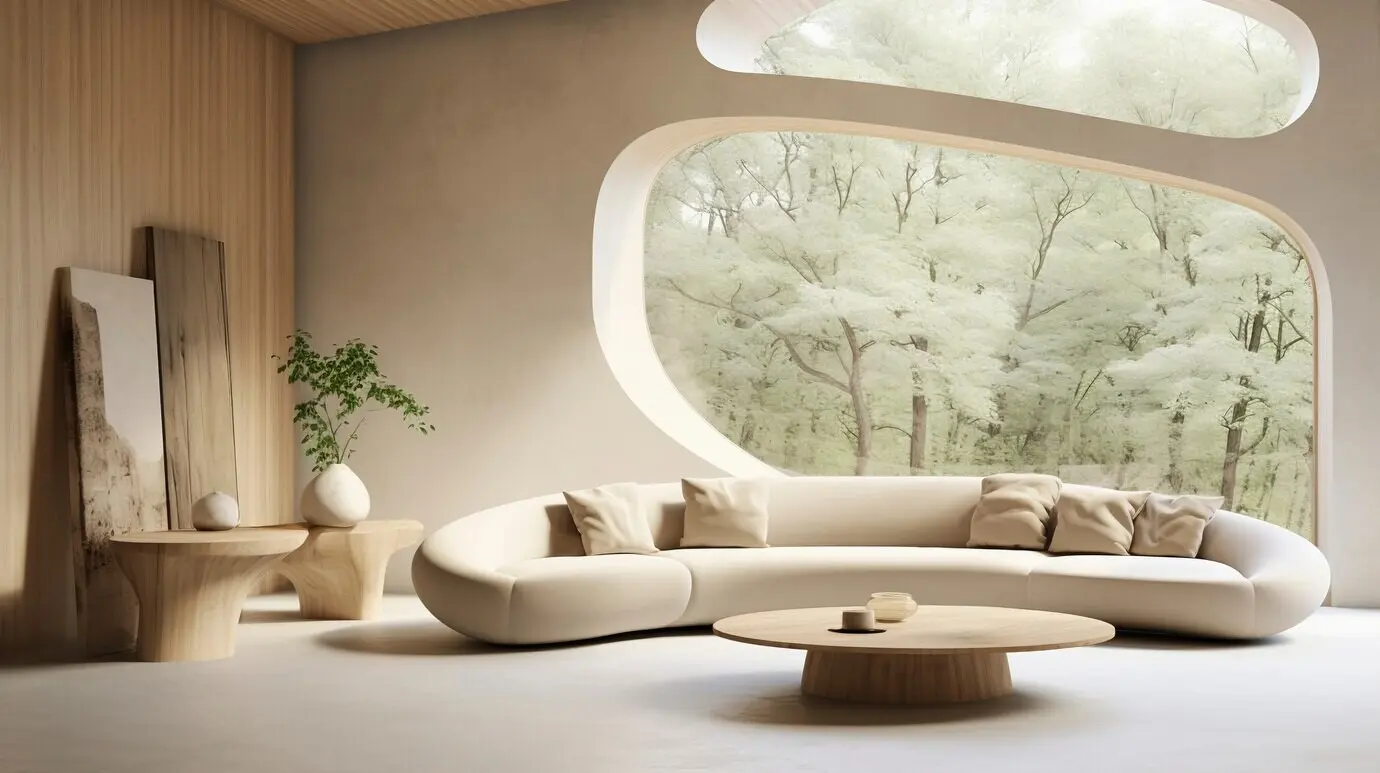
Center gatherings around human connection. Use two sofas facing or a sofa with deep lounge chairs, keeping side tables reachable and surfaces mostly clear. Hide remotes, route cables, and curate shelves with intention. A single large artwork settles the room better than many small accents.

Bedroom: Sanctuary Over Spectacle
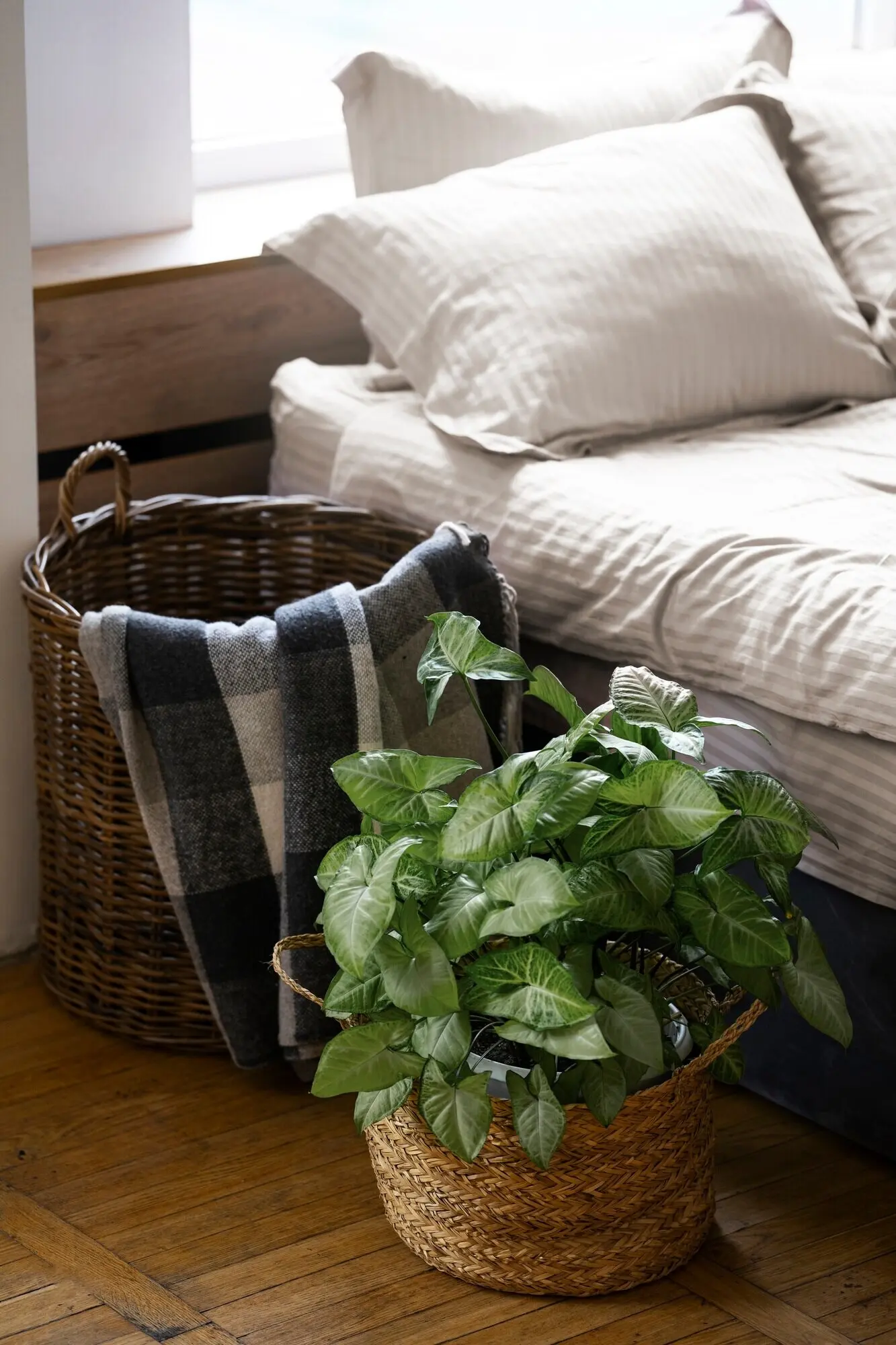
Prioritize restorative sleep with blackout layers, breathable linen, and a padded headboard that supports evening reading. Keep electronics away from sight, choose a restrained palette, and let texture carry interest. Two dimmable lamps and a soft rug transform bedtime into ritual, not performance.

Bathroom: Spa Warmth Without Showiness
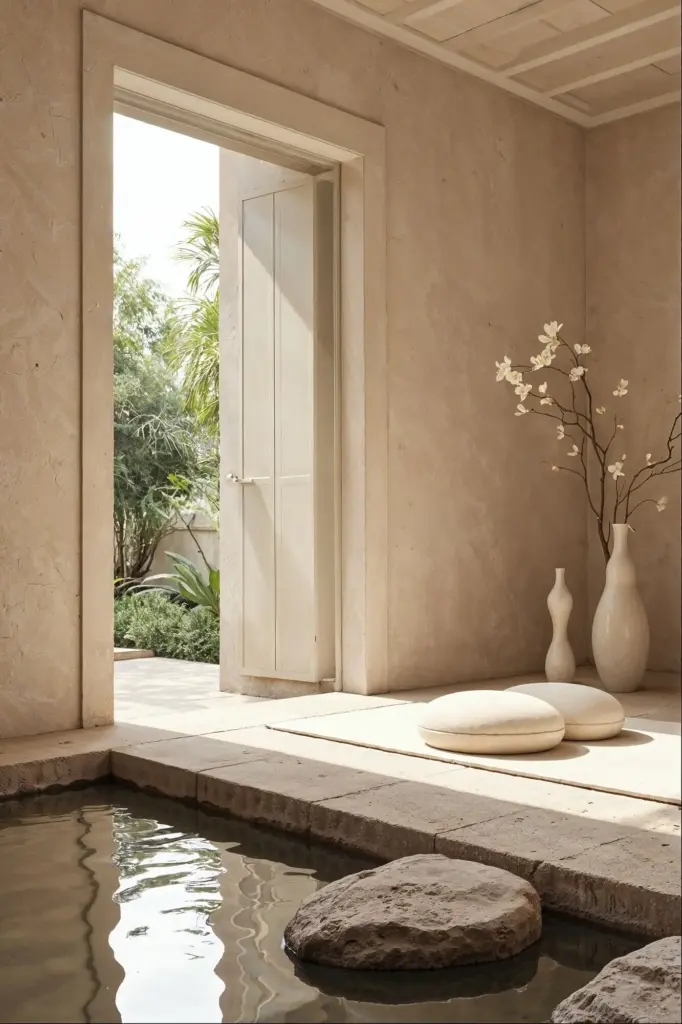
Select enduring surfaces like tumbled limestone and microcement, pairing them with unlacquered brass that mellows beautifully. Use wall niches instead of visible caddies. A heated towel rail, thick towels, and a framed mirror provide indulgence rooted in practicality, inviting calm mornings and unhurried evenings.